0%
Reading Progress
Scroll to track your progress
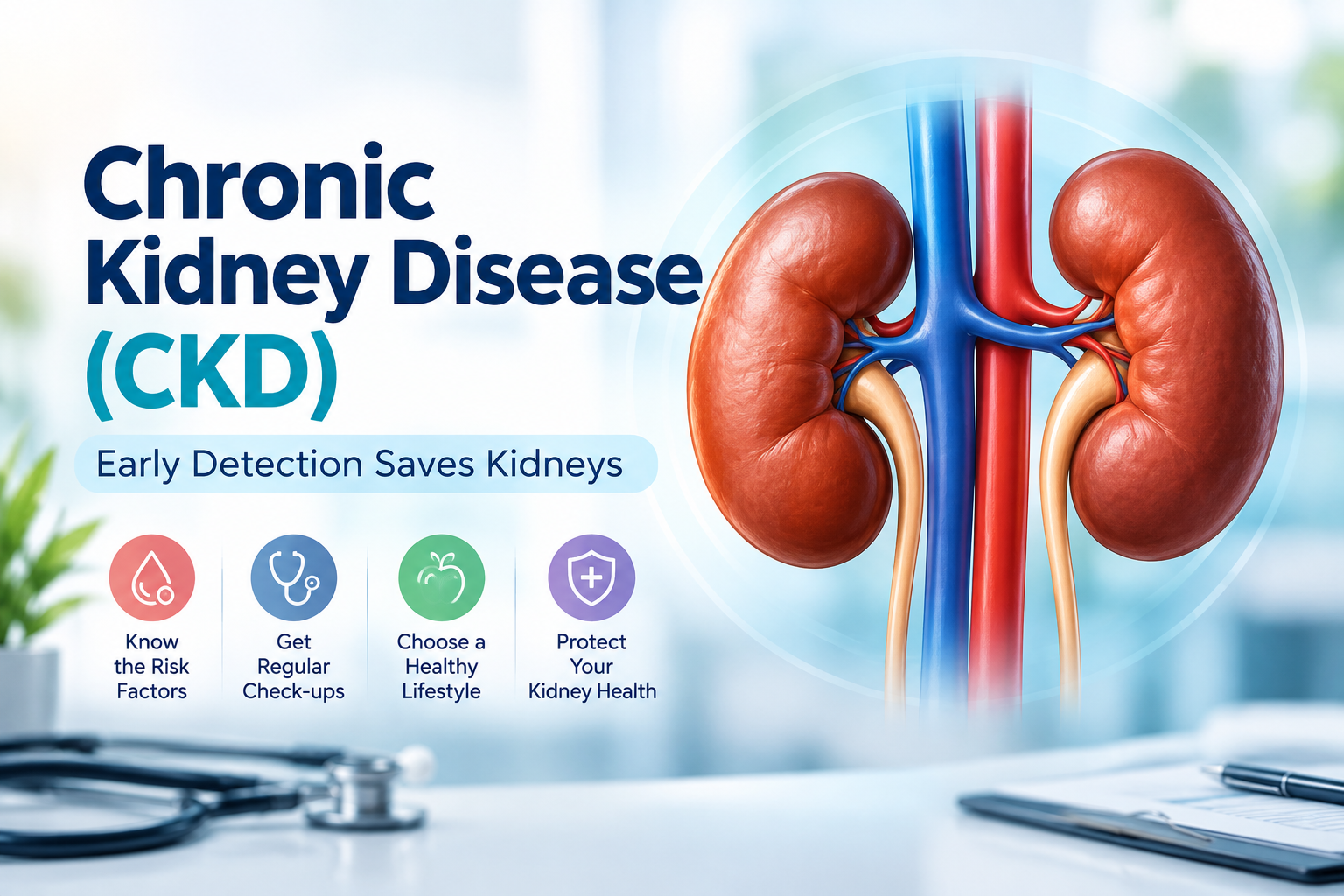
Introduction Chronic Kidney Disease (CKD), also known as Chronic Renal Disease, is a progressive condition in which the kidneys gradually lose their ability to filter waste products and excess fluids from the blood. The disease develops slowly over time and often goes unnoticed in its early stages because symptoms may not appear until significant kidney damage has occurred. Diabetes and high blood pressure are the leading causes of CKD worldwide. Early diagnosis, regular monitoring, and appropriate treatment can help slow the progression of the disease, prevent complications, and improve overall quality of life.
What is Chronic Kidney Disease (CKD)?
Chronic Kidney Disease (CKD) is a long-term condition in which the kidneys gradually lose their ability to filter waste products, excess fluids, and toxins from the blood. It is also known as Chronic Renal Disease (CRD) or Chronic Kidney Failure. CKD usually develops slowly over months or years and may not cause noticeable symptoms in its early stages.
What Do the Kidneys Do?
The kidneys perform several important functions, including:
- Filtering waste products from the blood
- Removing excess water from the body
- Maintaining electrolyte balance
- Regulating blood pressure
- Producing hormones that help make red blood cells
- Supporting bone health
When the kidneys become damaged, these functions are affected, leading to various health complications.
Causes of Chronic Kidney Disease
Common causes of CKD include:
- Diabetes mellitus
- High blood pressure (hypertension)
- Chronic glomerulonephritis
- Polycystic kidney disease
- Recurrent kidney infections
- Kidney stones causing long-term blockage
- Autoimmune diseases such as lupus
- Prolonged use of certain pain medications
Risk Factors
You may be at higher risk of developing CKD if you have:
- Diabetes
- High blood pressure
- Heart disease
- Obesity
- Family history of kidney disease
- Smoking habit
- Age above 60 years
Symptoms of Chronic Kidney Disease
Early CKD may not cause symptoms. As kidney function declines, symptoms may include:
- Fatigue and weakness
- Swelling of feet, ankles, or face
- Loss of appetite
- Nausea and vomiting
- Frequent urination, especially at night
- Decreased urine output
- Muscle cramps
- Dry and itchy skin
- Shortness of breath
- Difficulty concentrating
Stages of CKD
CKD is classified into five stages based on kidney function (eGFR):
Stage 1
- Mild kidney damage with normal kidney function.
Stage 2
- Mild reduction in kidney function.
Stage 3
- Moderate reduction in kidney function.
Stage 4
- Severe reduction in kidney function.
Stage 5
- Kidney failure (End-Stage Renal Disease), requiring dialysis or kidney transplantation.
How is CKD Diagnosed?
Doctors may recommend:
- Blood tests (Serum Creatinine, eGFR)
- Urine tests
- Blood pressure measurement
- Kidney ultrasound scan
- Kidney biopsy (in selected cases)
Treatment for Chronic Kidney Disease
Treatment depends on the underlying cause and stage of CKD.
Lifestyle Changes
- Follow a kidney-friendly diet
- Reduce salt intake
- Maintain healthy body weight
- Exercise regularly
- Stop smoking
- Limit alcohol consumption
Medical Treatment
- Control blood sugar levels
- Control blood pressure
- Medications to reduce protein loss in urine
- Treatment for anemia and bone disease
Advanced Treatment
- Dialysis
- Kidney transplantation
Possible Complications
If left untreated, CKD can lead to:
- High blood pressure
- Heart disease
- Anemia
- Bone disorders
- Fluid overload
- Electrolyte imbalance
- Kidney failure
Prevention Tips
- Control diabetes and blood pressure
- Drink adequate water
- Maintain a healthy weight
- Avoid unnecessary painkiller use
- Get regular health check-ups
- Follow your doctor's advice if you have kidney disease
When Should You See a Doctor?
Consult a healthcare professional if you experience persistent swelling, changes in urination, unexplained fatigue, high blood pressure, or have diabetes and notice worsening kidney function.
Conclusion
Chronic Kidney Disease is a serious but manageable condition when detected early. Regular screening, healthy lifestyle habits, and proper medical treatment can help slow disease progression and improve quality of life. Early diagnosis is the key to protecting kidney health and preventing complications.
AI GENERATED
Verified and approved by
Ms.Siddiq nisha U. Bsc(Nsg)
Dr.Karthikeyan S. MBBS.,