0%
Reading Progress
Scroll to track your progress
Frequently Asked Questions (FAQ)
1.What is Diabetes Mellitus?
Diabetes mellitus is a chronic medical condition in which the body cannot properly regulate blood sugar (glucose) levels. This happens because the body either does not produce enough insulin or cannot use insulin effectively.
2.What are the different types of diabetes?
Type 1 Diabetes: An autoimmune condition where the body produces little or no insulin.
Type 2 Diabetes: The most common type, where the body becomes resistant to insulin.
Gestational Diabetes: Develops during pregnancy and usually resolves after childbirth, but it increases the risk of Type 2 diabetes later in life.
3.What are the common symptoms of diabetes?
Frequent urination
Increased thirst
Excessive hunger
Unexplained weight loss
Fatigue
Blurred vision
Slow-healing wounds
Frequent infection
Tingling or numbness in the hands and feet
4.What causes diabetes?
The causes vary depending on the type:
Genetics and family history
Obesity or excess body weight
Lack of physical activity
Autoimmune disorders (Type 1)
Hormonal changes during pregnancy (Gestational diabetes)
5.Who is at risk of developing Type 2 diabetes?
overweight or obese
Have a family history of diabetes
Are over 45 years old
Have high blood pressure or high cholesterol
Lead a sedentary lifestyle
Have a history of gestational diabetes
6.When should I see a doctor?
Consult a healthcare professional if you experience symptoms of diabetes, have consistently high blood sugar levels, or develop complications such as vision changes, numbness, or wounds that do not heal.
7.How is diabetes diagnosed?
Fasting Blood Sugar (FBS)
HbA1c (Glycated Hemoglobin)
Random Blood Sugar (RBS)
Oral Glucose Tolerance Test (OGTT)
8.Can diabetes be cured?
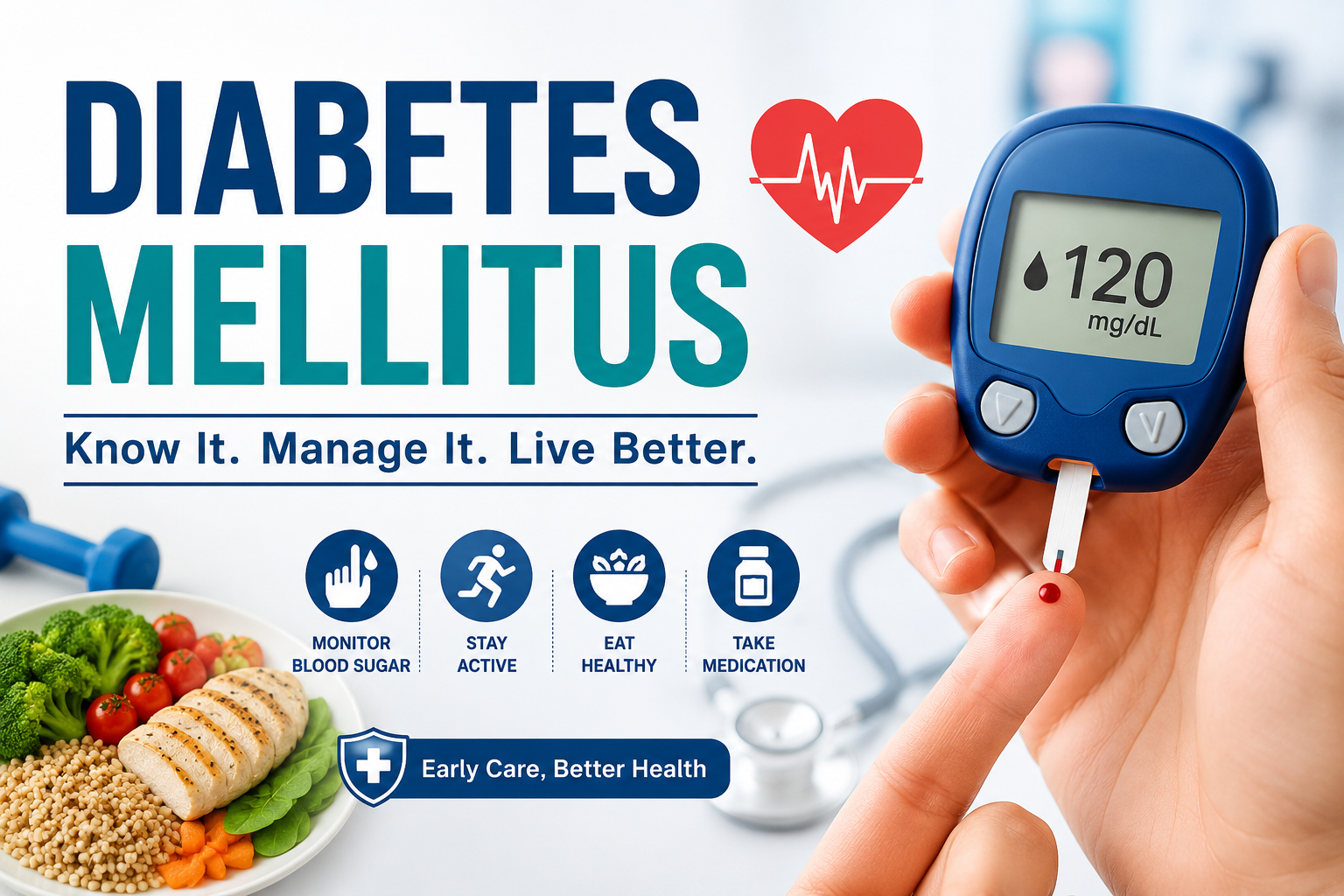
There is currently no permanent cure for diabetes. However, it can be effectively managed through healthy eating, regular exercise, medication, insulin therapy (when required), and routine monitoring.
9.What foods should people with diabetes eat?
A healthy diabetes diet includes:
Whole grains
Fresh vegetables
Fruits in moderation
Lean proteins
Healthy fats
High-fiber foods Avoid sugary drinks, sweets, processed foods, and excessive refined carbohydrates.
10.Can I exercise?
Yes. Regular activity improves glucose control; check with your clinician about safe targets.
11.Will I need medication?
Many people with Type 1 need insulin; Type 2 treatment varies—some need pills, injectables, or insulin depending on control.
12.What complications can occur if diabetes is left untreated?
Uncontrolled diabetes can lead to:
Heart disease
Stroke
Kidney disease
Eye damage (diabetic retinopathy)
Nerve damage
Foot ulcers
Poor wound healing
13.Can diabetes be prevented?
While Type 1 diabetes cannot be prevented, the risk of Type 2 diabetes can be reduced by:
Maintaining a healthy weight
Exercising regularly
Eating a balanced diet
Avoiding smoking
Limiting sugary foods and drinks
Getting regular health check-ups
14.How often should people with diabetes monitor their blood sugar?
The frequency depends on the type of diabetes and the treatment plan. Your doctor will recommend how often you should check your blood glucose levels.
15.How often should I see my diabetes care team?
Usually every 3–6 months,or more often if your treatment changes.
Conclusion
Diabetes mellitus is a lifelong condition, but with early diagnosis, proper treatment, and healthy lifestyle changes, most people can lead active and healthy lives. Regular medical check-ups, blood sugar monitoring, and following your doctor's advice are essential for preventing complications.