0%
Reading Progress
Scroll to track your progress
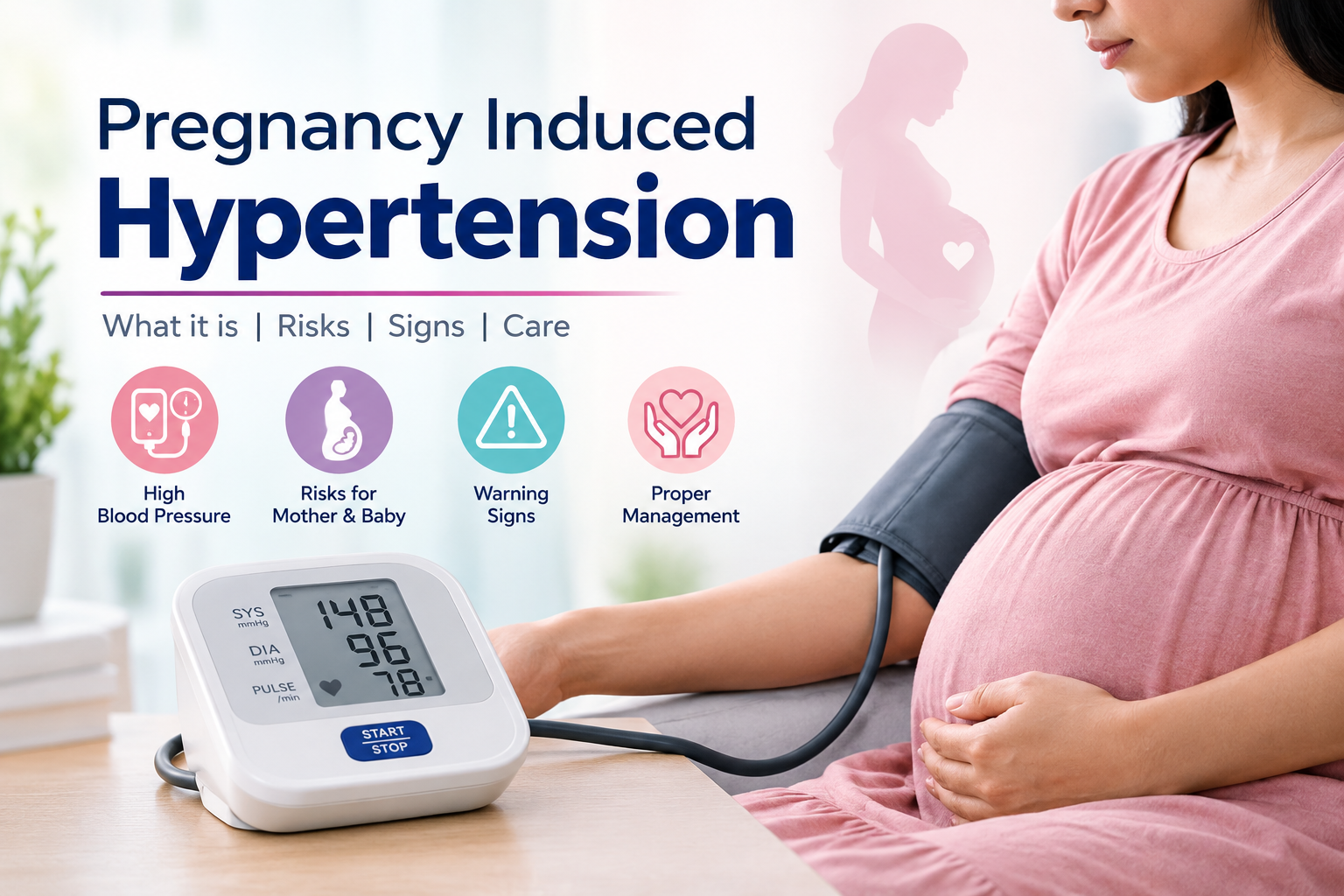
Introduction Pregnancy-Induced Hypertension (PIH) is high blood pressure that develops during pregnancy, usually after 20 weeks of gestation, in women who previously had normal blood pressure. It is one of the most common complications of pregnancy and requires careful monitoring to protect the health of both the mother and the baby. Early diagnosis and proper treatment can help prevent serious complications and ensure a safer pregnancy and delivery.
What is Pregnancy-Induced Hypertension?
Pregnancy-Induced Hypertension (PIH), also known as Gestational Hypertension, is a condition in which a pregnant woman develops blood pressure of 140/90 mmHg or higher after 20 weeks of pregnancy without significant protein in the urine.
If left untreated, PIH can progress to a more serious condition called preeclampsia.
Types of Hypertension During Pregnancy
1. Gestational Hypertension
High blood pressure that develops after 20 weeks of pregnancy and usually resolves after delivery.
2. Preeclampsia
High blood pressure associated with protein in the urine and signs of organ damage.
3. Eclampsia
A severe form of preeclampsia that causes seizures and can be life-threatening.
4. Chronic Hypertension
High blood pressure that existed before pregnancy or develops before 20 weeks of gestation.
Causes of Pregnancy-Induced Hypertension
The exact cause is not fully understood, but several factors may increase the risk:
First pregnancy
Multiple pregnancy (twins or triplets)
Maternal age below 20 or above 35 years
Obesity
Family history of hypertension or preeclampsia
Diabetes
Kidney disease
Autoimmune disorders
Previous history of PIH
Symptoms of Pregnancy-Induced Hypertension
Some women may not have any symptoms. Common signs include:
High blood pressure readings
Swelling of the face, hands, or feet
Persistent headaches
Blurred vision or visual disturbances
Dizziness
Shortness of breath
Sudden weight gain
Pain in the upper abdomen
Reduced urine output
Risk Factors
Women are at higher risk if they have:
Obesity
Diabetes mellitus
Kidney disease
High blood pressure before pregnancy
Family history of PIH or preeclampsia
Multiple pregnancy
Previous pregnancy complications
Possible Complications
For the Mother
Preeclampsia
Eclampsia
Stroke
Placental abruption
Liver and kidney damage
Increased risk of future cardiovascular disease
For the Baby
Restricted growth (IUGR)
Low birth weight
Premature birth
Reduced oxygen supply
Stillbirth in severe untreated cases
Diagnosis
Doctors may diagnose PIH through:
Regular blood pressure monitoring
Urine tests for protein
Blood tests
Ultrasound scans to monitor fetal growth
Fetal heart rate monitoring
Treatment
Treatment depends on the severity of the condition and the stage of pregnancy.
Lifestyle Measures
Adequate rest
Healthy balanced diet
Limiting excessive salt intake
Staying hydrated
Regular prenatal checkups
Monitoring blood pressure at home if advised
Medical Treatment
Blood pressure medications prescribed by a doctor
Frequent maternal and fetal monitoring
Hospitalization in severe cases
Early delivery if the condition becomes dangerous
Prevention
Although PIH cannot always be prevented, the following may help reduce the risk:
Attend regular antenatal visits
Maintain a healthy weight before pregnancy
Follow a nutritious diet
Control diabetes and other medical conditions
Stay physically active as advised by your healthcare provider
Take prescribed medications and supplements regularly
When to Seek Immediate Medical Attention
Contact your doctor immediately if you experience:
Severe headache
Blurred vision
Sudden swelling of the face or hands
Severe abdominal pain
Shortness of breath
Reduced fetal movements
Seizures
Conclusion
Pregnancy-Induced Hypertension is a common but potentially serious condition that can affect both mother and baby. Regular prenatal care, early detection, and appropriate treatment play a crucial role in preventing complications. Pregnant women should attend all scheduled checkups and report any unusual symptoms promptly to ensure a healthy pregnancy and safe delivery.
Frequently Asked Questions (FAQs)
1. Can PIH go away after delivery?
Yes. In most cases, blood pressure returns to normal within a few weeks after childbirth.
2. Is PIH dangerous?
If untreated, it can lead to serious complications such as preeclampsia, eclampsia, and premature birth.
3. Can PIH affect the baby?
Yes. It may reduce blood flow to the placenta, affecting the baby's growth and development.
4. Can women with PIH have a normal delivery?
Many women with well-controlled PIH can have a normal delivery, but the mode of delivery depends on the mother's and baby's condition.
AI GENERATED
Verified and approved by
Ms.Siddiq nisha U. Bsc (Nsg)
Dr.Karthikeyan S. MBBS.,