
0%
Reading Progress
Scroll to track your progress
Introduction Cervical cancer screening is a medical test used to identify changes in the cells of the cervix before they develop into cancer. The cervix is the lower part of the uterus that connects to the vagina. Most cases of cervical cancer are associated with persistent infection with high-risk human papillomavirus (HPV). Regular screening helps detect HPV infections or abnormal cervical cells early, allowing timely treatment and reducing the risk of cervical cancer.
What Is Cervical Cancer Screening?
Cervical cancer screening involves testing women for high-risk HPV infection or abnormal cells in the cervix. These changes may occur without any noticeable symptoms, which makes screening important even for women who feel healthy.
Types of Cervical Cancer Screening
1. HPV Test
This test checks for high-risk types of human papillomavirus that can cause cervical cancer. It is an effective method for identifying women who may be at risk.
2. Pap Smear Test
A Pap smear, also called a Pap test, collects cells from the cervix to identify abnormal or precancerous changes.
3. HPV and Pap Co-testing
In some settings, both tests are performed together to assess the risk of cervical cancer more effectively.
Who Should Get Screened?
Women within the recommended screening age group should undergo regular cervical cancer screening, even if they have no symptoms.
Screening commonly begins at age 25 or 30, depending on the guideline and test used.
The appropriate screening interval depends on age, test type, previous results, and local recommendations.
Women with HIV, a weakened immune system, or a history of abnormal cervical screening results may need a different screening schedule.
Women who have undergone a hysterectomy may or may not need screening, depending on the reason for surgery and their medical history.
A healthcare professional can help determine the most suitable screening test and schedule.
How Is the Screening Test Performed?
The patient lies on an examination table.
A healthcare professional gently inserts a speculum into the vagina to view the cervix.
A small brush or swab is used to collect cervical cells or a sample for HPV testing.
The sample is sent to a laboratory for examination.
The procedure usually takes only a few minutes. Some women may experience mild discomfort or light spotting afterward.
Risk Factors for Cervical Cancer
Common risk factors include:
Persistent infection with high-risk HPV.
Not undergoing regular cervical cancer screening.
Smoking.
A weakened immune system.
Certain sexual health factors that increase the likelihood of HPV infection
Symptoms That Need Medical Attention
Early cervical cancer may not cause symptoms. Possible warning signs include:
Bleeding after sexual intercourse.
Unusual vaginal bleeding between periods or after menopause.
Persistent watery or blood-stained vaginal discharge.
Pelvic pain or pain during sexual intercourse.
These symptoms do not always indicate cancer, but they should be evaluated by a healthcare professional. Do not wait for a screening appointment if you have concerning symptoms. You may need a diagnostic examination instead of a routine screening test.
How Can Cervical Cancer Be Prevented?
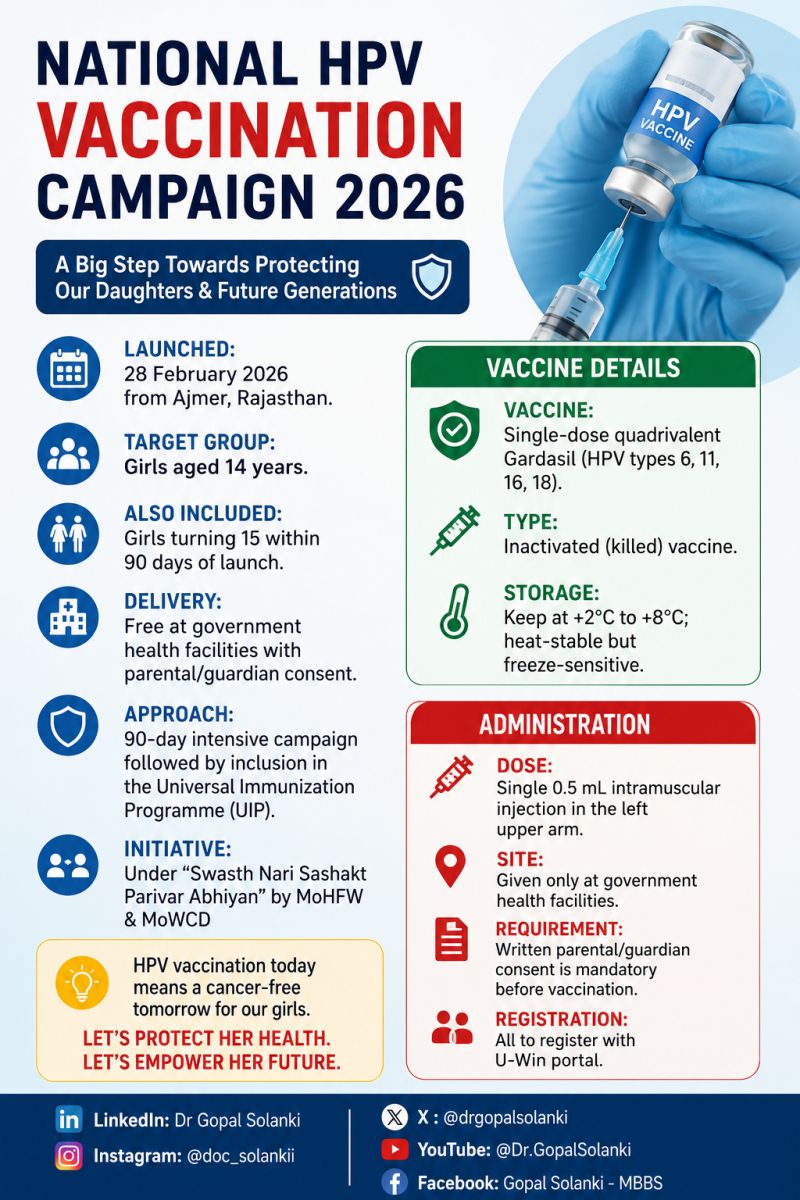
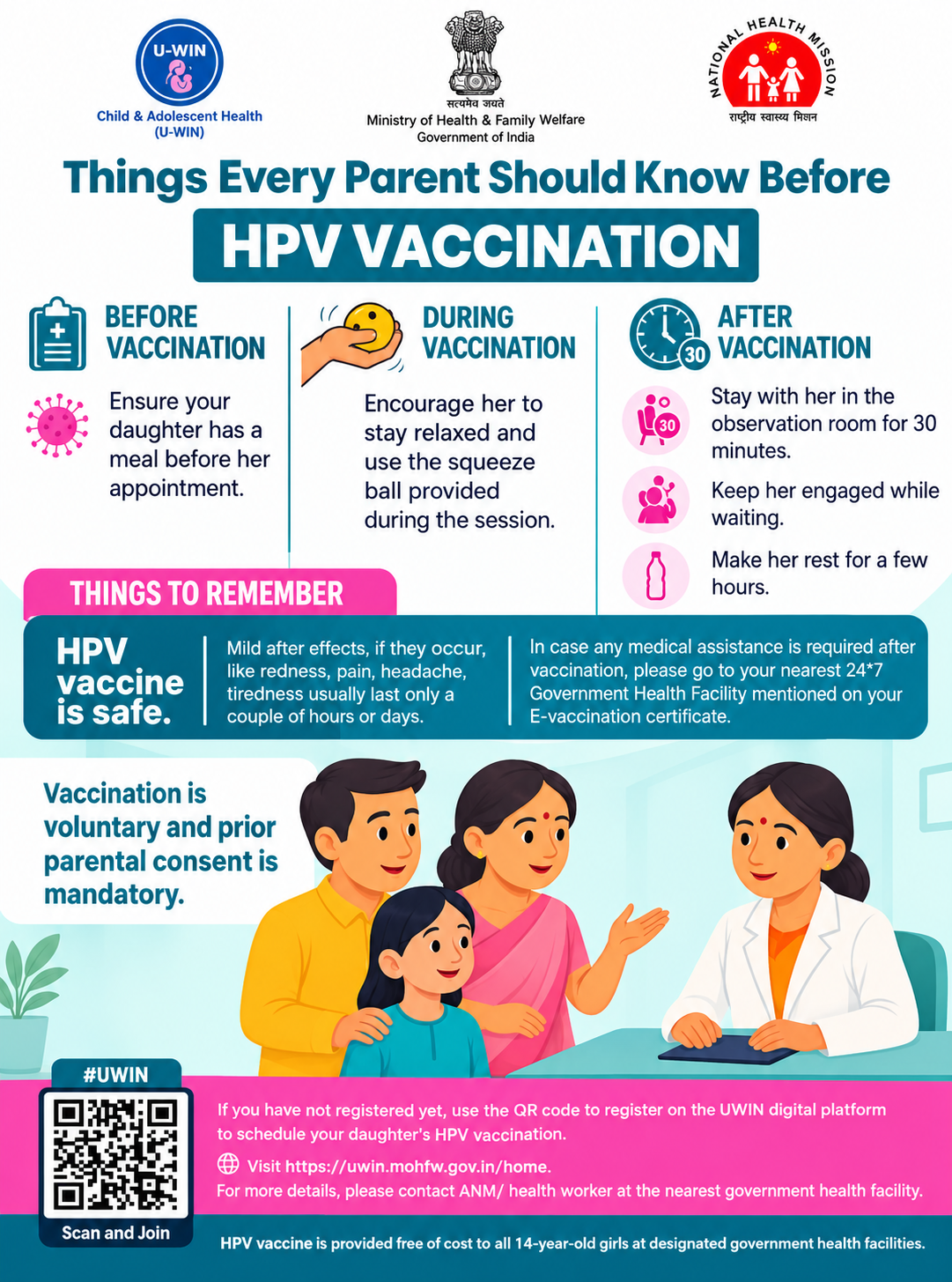
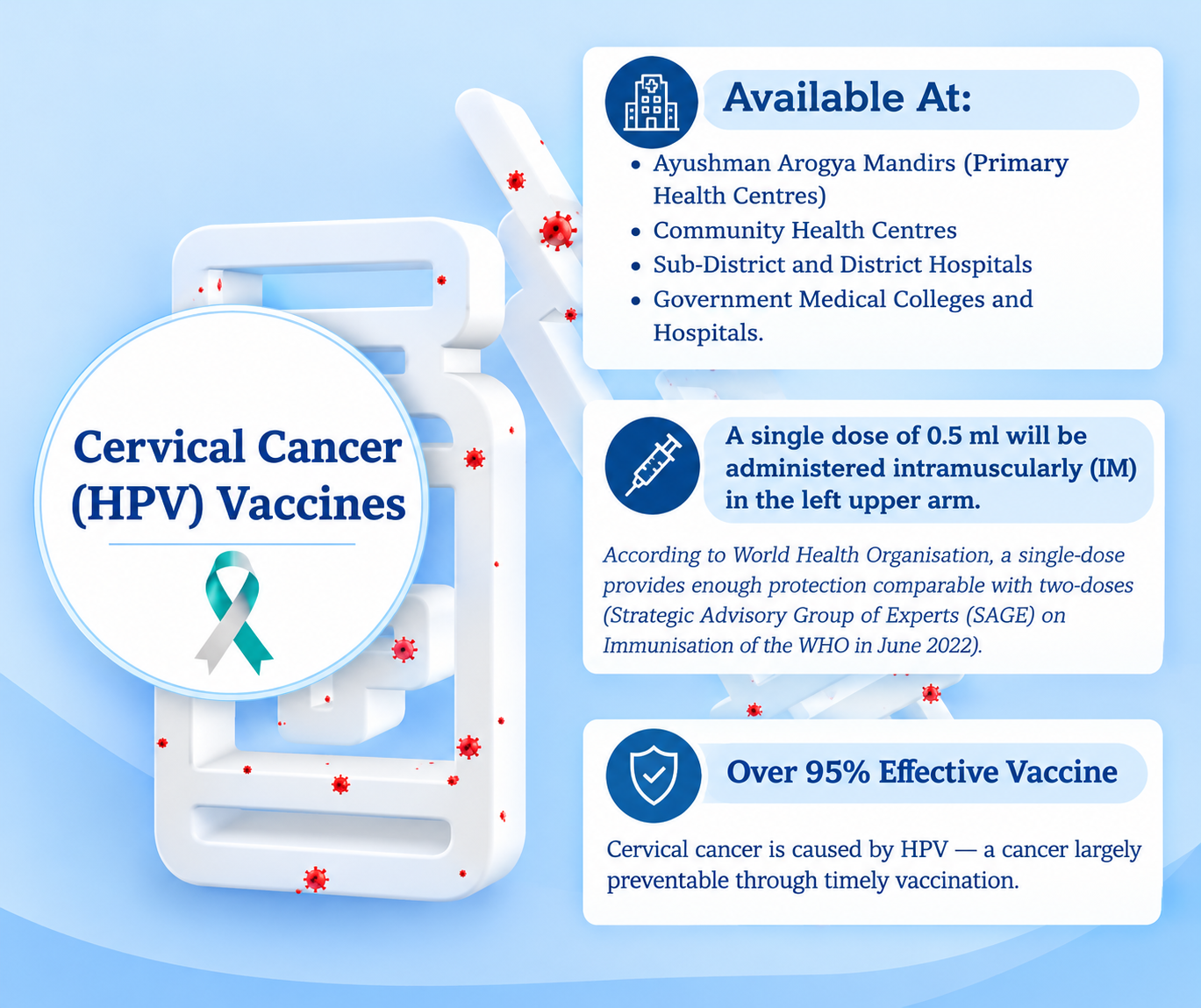
HPV vaccination: Helps protect against HPV types responsible for most cervical cancers.
Regular screening: Helps identify high-risk HPV infection and precancerous cell changes.
Follow-up care: Complete any additional tests or treatment recommended after an abnormal result.
Avoid smoking: Smoking increases the risk of cervical cancer.
Health education: Learn about HPV, vaccination, and the importance of early detection.
What Happens If a Screening Result Is Abnormal?
An abnormal result does not automatically mean that a woman has cervical cancer. Depending on the result, the healthcare professional may recommend repeat testing, HPV testing, colposcopy (a detailed examination of the cervix), or a biopsy. Precancerous changes can often be treated before they develop into cancer.
Frequently Asked Questions (FAQs)
1. Is cervical cancer screening painful?
Most women experience mild discomfort or pressure during the procedure. Severe pain is not typical.
2. Can cervical cancer be prevented?
Many cases can be prevented through HPV vaccination, regular screening, and appropriate treatment of precancerous changes.
3. Can women without symptoms have cervical cancer?
Yes. Precancerous changes and early cervical cancer may develop without noticeable symptoms.
4. How often should cervical cancer screening be done?
The interval depends on the test used, age, medical history, and local guidelines. The World Health Organization recommends HPV DNA-based screening beginning at age 30 for the general population, usually every 5–10 years where this approach is used. Women living with HIV have different recommendations.
5. Does an HPV-positive result mean cancer?
No. An HPV-positive result indicates that HPV has been detected. Further assessment may be needed to determine whether cervical cell changes are present.
Conclusion
Cervical cancer screening is an important part of women's preventive healthcare. Regular screening, HPV vaccination, and timely follow-up can help reduce the risk of cervical cancer and support early detection. Women should consult a qualified healthcare professional to determine the appropriate screening schedule for their age and medical history.
AI GENERATED
Verified and approved by
Ms.Siddiq nisha U. Bsc(Nsg)
Dr.Karthikeyan S. MBBS.,