0%
Reading Progress
Scroll to track your progress
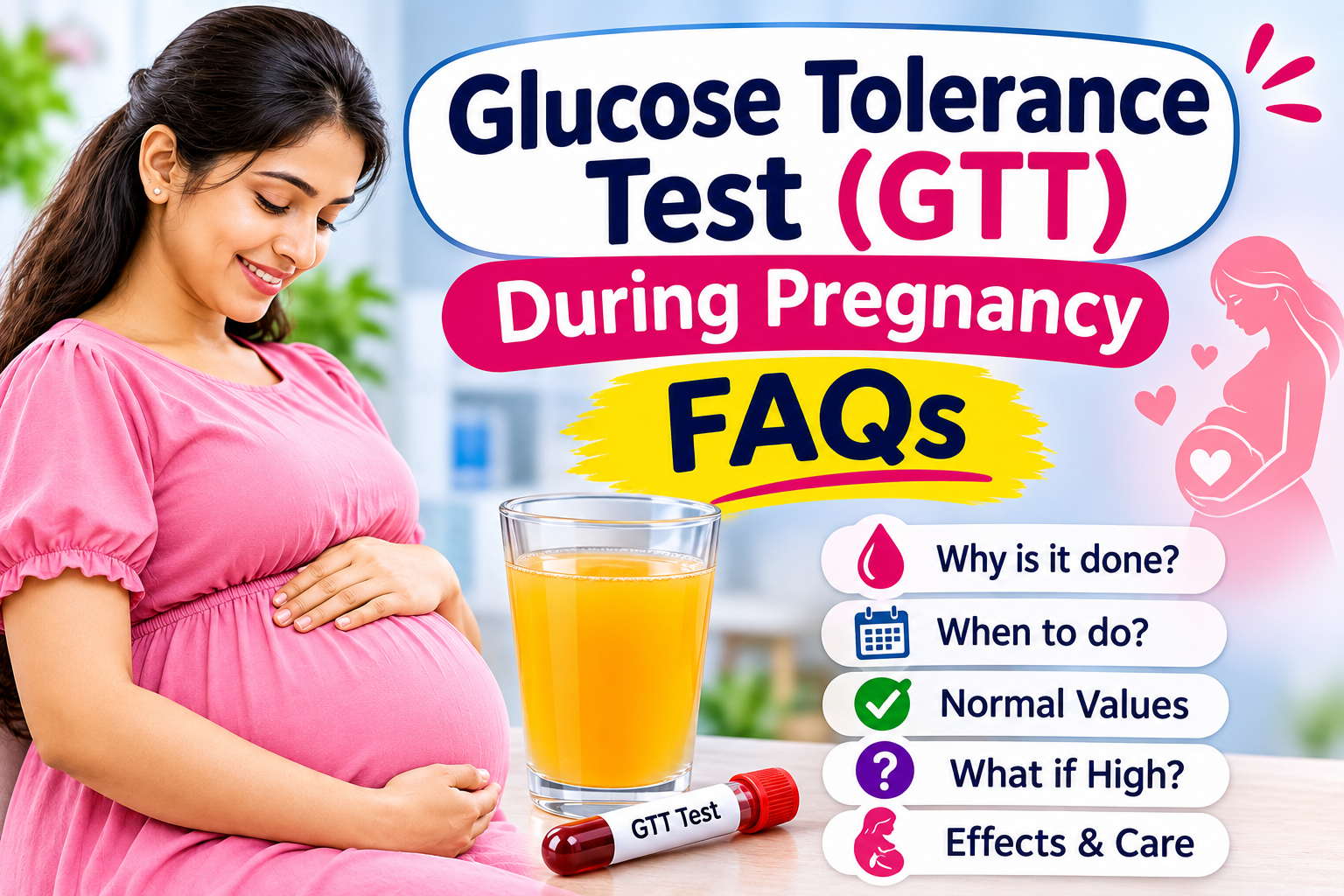
Introduction A Glucose Tolerance Test (GTT) is an important blood test performed during pregnancy to check how the body processes glucose (sugar). It helps identify gestational diabetes, a type of diabetes that develops during pregnancy. During pregnancy, hormonal changes can affect the body's ability to use insulin effectively, resulting in increased blood sugar levels. Early detection and proper management of gestational diabetes help protect both the mother and the baby from potential complications.
Frequently Asked Questions
1. What is a Glucose Tolerance Test (GTT) during pregnancy?
A Glucose Tolerance Test is a blood test used to determine how effectively the body processes sugar. It helps detect gestational diabetes, which can develop during pregnancy.
2. Why is GTT important during pregnancy?
GTT helps identify high blood sugar levels during pregnancy. Detecting gestational diabetes early allows doctors to recommend appropriate dietary changes, exercise, monitoring, or medication to reduce complications.
3. When is the Glucose Tolerance Test performed during pregnancy?
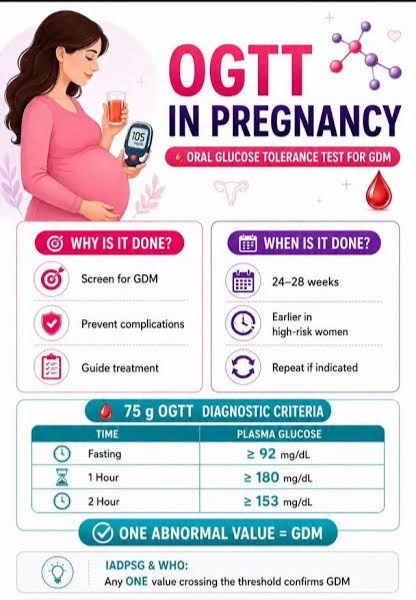
GTT is commonly performed between 24 and 28 weeks of pregnancy. However, women with risk factors for gestational diabetes may be tested earlier.
4. Who should undergo a GTT during pregnancy?
GTT is generally recommended for pregnant women as part of routine antenatal care. It is particularly important for women who have:
A family history of diabetes.
Previous gestational diabetes.
Overweight or obesity.
Previously delivered a baby with a high birth weight.
A history of unexplained pregnancy complications.
5. How is the Glucose Tolerance Test performed?
The procedure depends on the testing protocol followed by the hospital.
A glucose solution is given to the pregnant woman.
Blood samples are collected to measure blood glucose levels.
In some protocols, blood is collected after fasting and at specific intervals following glucose intake.
The results are assessed by the doctor to identify gestational diabetes.
6. Is fasting required before a GTT?
It depends on the type of glucose tolerance test being performed. Some testing methods require fasting, while others do not. Follow the instructions provided by your healthcare provider.
7. How much glucose is given during the test?
The amount depends on the testing protocol. A commonly used 75-gram oral glucose tolerance test involves drinking a solution containing 75 grams of glucose.
8. Is the Glucose Tolerance Test safe during pregnancy?
Yes. GTT is generally considered safe during pregnancy. The glucose solution is used to assess how the body responds to sugar and does not usually cause harm to the baby.
9. Does the glucose drink cause any side effects?
Some women may experience temporary symptoms such as:
Nausea.
Vomiting.
Dizziness.
Bloating.
Feeling uncomfortable due to the sweetness of the drink.
Inform the healthcare staff if you feel unwell during the test.
10. What is gestational diabetes?
Gestational diabetes is a condition in which blood sugar levels become higher than normal during pregnancy. It develops when the body cannot produce or use enough insulin to meet the increased demands of pregnancy.
11. What are the normal GTT values during pregnancy?
12. What happens if the GTT result is abnormal?
If the test shows elevated blood glucose levels, the doctor may diagnose gestational diabetes. Further evaluation and regular blood sugar monitoring may be recommended.
13. What are the symptoms of gestational diabetes?
Most women with gestational diabetes do not experience noticeable symptoms. However, some may have:
Increased thirst.
Frequent urination.
Unusual tiredness.
Dry mouth.
Blurred vision.
These symptoms can also occur in normal pregnancy, so a blood test is necessary for diagnosis.
14. Can gestational diabetes affect the baby?
Yes. If blood sugar levels remain uncontrolled, gestational diabetes may increase the risk of:
Excessive birth weight.
Premature delivery.
Low blood sugar in the newborn.
Breathing difficulties after birth.
Increased risk of developing obesity or type 2 diabetes later in life.
15. Can gestational diabetes affect the mother?
Uncontrolled gestational diabetes may increase the risk of:
High blood pressure during pregnancy.
Preeclampsia.
Difficulties during delivery.
Caesarean section.
Developing type 2 diabetes later in life.
16. How can gestational diabetes be controlled?
Gestational diabetes can often be managed through:
Eating a balanced and healthy diet.
Limiting sugary foods and drinks.
Eating regular, appropriately portioned meals.
Engaging in pregnancy-safe physical activity, such as walking.
Monitoring blood sugar levels regularly.
Taking prescribed medication or insulin when necessary.
17. Does gestational diabetes always require insulin?
No. Many women can manage their blood sugar levels through diet and physical activity. However, if blood sugar remains high, the doctor may prescribe insulin or other appropriate medication.
18. Can gestational diabetes go away after delivery?
In many women, blood sugar levels return to normal after childbirth. However, follow-up testing is important because women who develop gestational diabetes have an increased risk of developing type 2 diabetes in the future.
19. Is another blood sugar test needed after delivery?
Yes. A 75-gram oral glucose tolerance test is generally recommended 4–12 weeks after delivery to check whether blood sugar levels have returned to normal. Further diabetes screening is recommended every 1–3 years.
20. Can gestational diabetes be prevented?
Not all cases can be prevented. However, maintaining a healthy weight before pregnancy, eating a balanced diet, staying physically active, and attending regular antenatal check-ups can help reduce the risk.
21. Can I eat normally after completing the GTT?
Yes. Once the test is completed and the healthcare provider allows you to eat, you can return to your usual meals. If you feel dizzy or unwell, inform the healthcare staff.
22. Should I repeat the GTT if my first result is normal?
If your initial test is normal, repeat testing is not routinely required for everyone. However, your doctor may recommend another test if you develop risk factors or signs of gestational diabetes later in pregnancy.
Conclusion
The Glucose Tolerance Test is an essential part of antenatal care. It helps detect gestational diabetes and allows timely treatment to protect the health of both mother and baby. Regular antenatal visits, healthy eating habits, physical activity, and proper blood sugar monitoring play an important role in maintaining a healthy pregnancy.
AI GENERATED
Verified and approved by
Ms. Siddiq nisha U. Bsc (Nsg)
Dr. Karthikeyan S. MBBS.,