0%
Reading Progress
Scroll to track your progress
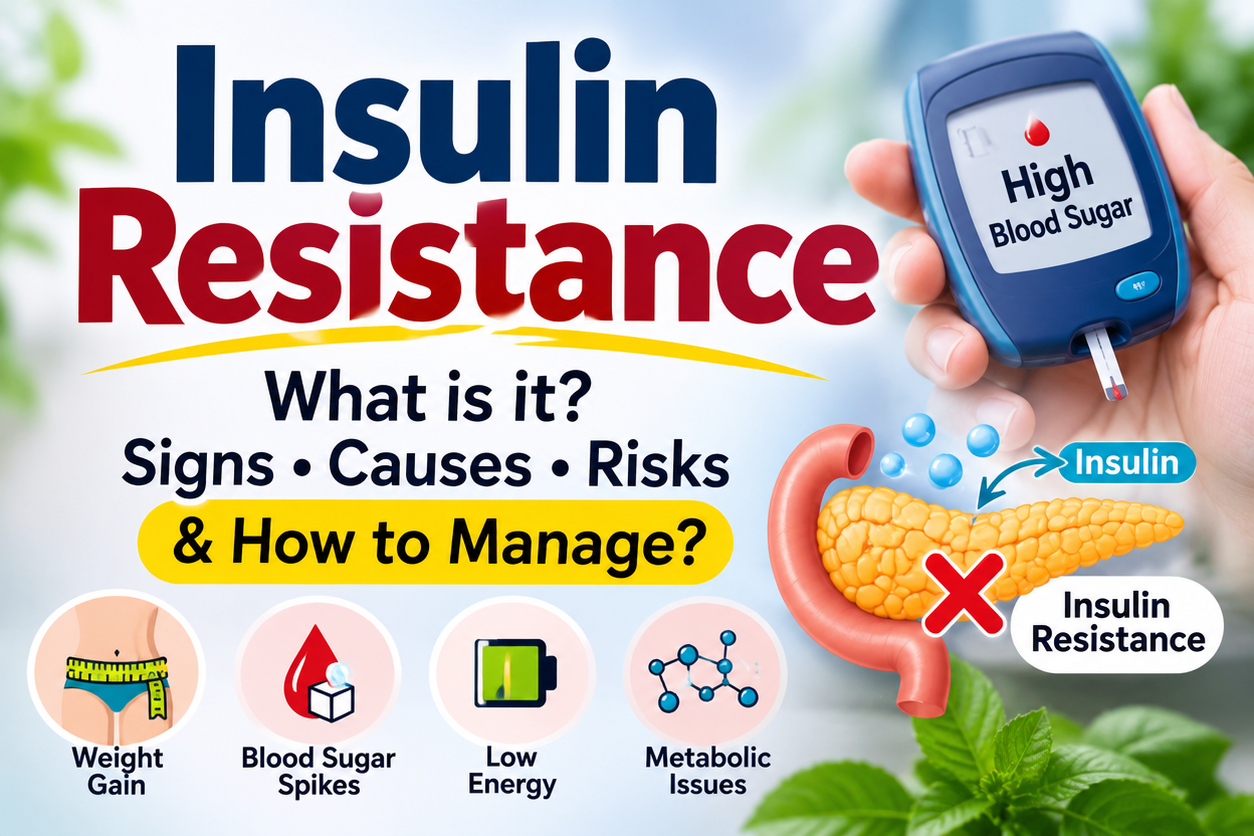
Introduction Insulin resistance is a common health condition in which the body's cells do not respond properly to the hormone insulin. Insulin helps control blood sugar levels by allowing glucose to enter the body's cells and provide energy. When the body becomes resistant to insulin, the pancreas produces more insulin to maintain normal blood sugar levels. Over time, this can lead to increased blood sugar levels and may increase the risk of developing prediabetes and type 2 diabetes. Understanding insulin resistance, its causes, symptoms, and treatment options can help prevent long-term health complications.
1. What is insulin resistance?
Insulin resistance is a condition in which the body's cells do not respond effectively to insulin. As a result, the body needs more insulin to help glucose enter the cells. This can eventually cause blood sugar levels to rise.
2. What does insulin do in the body?
Insulin is a hormone produced by the pancreas. Its main functions include:
Helping glucose enter the body's cells.
Maintaining normal blood sugar levels.
Supporting energy storage.
Regulating fat and carbohydrate metabolism.
3. What are the common causes of insulin resistance?
Several factors can contribute to insulin resistance, including:
Excess body weight, especially abdominal fat.
Lack of physical activity.
Unhealthy eating habits.
Genetic factors and family history of diabetes.
Hormonal conditions such as PCOS.
Poor sleep quality.
Certain medications and medical conditions.
4. What are the symptoms of insulin resistance?
Insulin resistance often does not cause noticeable symptoms in its early stages. However, some people may experience:
Increased abdominal fat.
Difficulty losing weight.
Frequent tiredness.
Increased hunger.
Dark, thickened skin around the neck, armpits, or groin (acanthosis nigricans).
Skin tags.
5. Can insulin resistance occur without diabetes?
Yes. Insulin resistance can occur even when blood sugar levels are normal. The pancreas initially produces extra insulin to compensate. If this continues over time, blood sugar levels may increase, leading to prediabetes or type 2 diabetes.
6. What is the difference between insulin resistance and diabetes?
Insulin resistance means the body's cells do not respond properly to insulin. Diabetes is a condition in which blood glucose levels become abnormally high.
Insulin resistance can increase the risk of developing type 2 diabetes, but not everyone with insulin resistance develops diabetes.
7. Who is at risk of developing insulin resistance?
People with the following risk factors may have a higher chance of developing insulin resistance:
People with overweight or obesity.
Individuals with a family history of type 2 diabetes.
People with a sedentary lifestyle.
Women with PCOS.
People with high blood pressure.
Individuals with abnormal cholesterol levels.
People with a history of gestational diabetes.
8. How is insulin resistance diagnosed?
There is no single universally accepted routine test that directly diagnoses insulin resistance. Doctors may assess risk factors and recommend blood tests such as:
Fasting blood glucose test.
HbA1c test.
Oral glucose tolerance test.
Fasting insulin test in selected cases.
These tests help evaluate blood sugar regulation and the risk of diabetes.
9. What is the normal fasting blood sugar level?
For non-pregnant adults, fasting blood glucose levels are generally classified as:
Blood sugar level Interpretation
Below 100 mg/dL Normal
100–125 mg/dL Prediabetes
126 mg/dL or above Diabetes range
A diabetes diagnosis generally requires confirmation with repeat testing unless there are clear symptoms with markedly elevated blood glucose.
10. Can insulin resistance cause weight gain?
Insulin resistance is associated with metabolic changes that can make weight management more difficult in some individuals. Excess abdominal fat can also worsen insulin resistance, creating a cycle that affects metabolic health.
11. Is insulin resistance related to PCOS?
Yes. Insulin resistance is commonly associated with polycystic ovary syndrome (PCOS). Higher insulin levels may contribute to increased androgen production, irregular menstrual cycles, acne, and difficulties with ovulation.
12. Can insulin resistance be reversed?
Insulin resistance can often improve significantly through lifestyle changes. Early intervention may help restore better insulin sensitivity and reduce the risk of type 2 diabetes.
13. What foods should people with insulin resistance eat?
A balanced diet can help improve blood sugar regulation.
Recommended foods include:
Whole grains such as oats and brown rice.
Green leafy vegetables.
Beans, lentils, and chickpeas.
Nuts and seeds.
Eggs and fish.
Fruits such as apples, berries, and oranges.
Protein-rich foods.
14. Which foods should be limited?
People with insulin resistance should limit:
Sugary drinks and packaged juices.
Sweets and desserts.
Refined carbohydrates.
Highly processed foods.
Excessive fried foods.
Foods containing large amounts of added sugar.
15. Does exercise help improve insulin resistance?
Yes. Regular physical activity helps muscles use glucose more effectively and improves insulin sensitivity.
Recommended activities include:
Brisk walking.
Cycling.
Swimming.
Strength training.
Yoga and other regular physical activities.
Aim for at least 150 minutes of moderate-intensity physical activity per week, along with strength training on two or more days.
17. What is the relationship between insulin resistance and belly fat?
Excess abdominal fat, particularly fat around internal organs (visceral fat), is strongly associated with insulin resistance. Reducing excess abdominal fat through healthy eating and regular exercise may improve insulin sensitivity.
18. Can insulin resistance occur in thin people?
Yes. Insulin resistance can occur in people with normal body weight. Genetic factors, fat distribution, hormonal conditions, and lifestyle factors can contribute to the condition.
19. What are the complications of untreated insulin resistance?
If insulin resistance continues without appropriate management, it may increase the risk of:
Prediabetes.
Type 2 diabetes.
High blood pressure.
Abnormal cholesterol levels.
Fatty liver disease.
Cardiovascular diseases.
20. How is insulin resistance treated?
Treatment mainly focuses on improving insulin sensitivity and managing associated risk factors.
Treatment options may include:
Healthy and balanced nutrition.
Regular physical activity.
Weight management when appropriate.
Adequate sleep.
Stress management.
Medications such as metformin when prescribed by a doctor.
21. Can insulin resistance affect fertility?
Insulin resistance may affect reproductive health, particularly in women with PCOS. It can contribute to hormonal imbalance and irregular ovulation, which may make conception more difficult.
22. Can insulin resistance be prevented?
Although not all cases can be prevented, certain lifestyle habits may reduce the risk:
Maintain a healthy weight.
Eat a balanced diet.
Exercise regularly.
Avoid excessive sugary foods.
Get adequate sleep.
Attend regular health check-ups.
Conclusion
Insulin resistance is an important metabolic condition that can increase the risk of prediabetes and type 2 diabetes. Although it may not cause noticeable symptoms in the early stages, early identification and proper management can help prevent complications.
Adopting healthy eating habits, staying physically active, maintaining a healthy weight, and attending regular medical check-ups can support better insulin sensitivity and overall health.
AI GENERATED
Verified and approved by
Ms Siddiq nisha U. Bsc(Nsg)
Dr. Karthikeyan S. MBBS