Accepting New Patients

KEERTHI DENTAL CLINIC

Dentistry • keerthi dental clinic, pollachi

Verified Facility
Certified Doctors
Easy Booking
Facility Type
Dentistry
Working Hours
08:00 AM – 10:00 PM
Location
keerthi dental clinic,near union bank,opp to bus stop,vadakipalayam,pollachi
Contact
8300025665
Services & Specialties

What We Treat

KEERTHI DENTAL CLINIC provides expert care across a wide range of medical specialties in pollachi.

Dentistry
Pediatrics
Meet the Team

Our Specialist Doctors

Expert physicians dedicated to your care and well-being

DR KEERTHANA BDS

Visit Time: 10:00 AM - 01:00 PM | 01:00 PM - 04:00 PM

Dentistry

Weekly schedule
Sun Not Available
Mon Not Available
Tue Not Available
Wed Not Available
Thu Not Available
Fri Not Available
Sat Not Available
8 years of experience
₹200
Consultation Fee
Book Appointment

KEERTHANA BDS.,

Visit Time: 10:00 AM - 01:00 PM | 01:00 PM - 08:00 PM

Dentistry

Weekly schedule
Sun Not Available
Mon 10 am - 1 pm | 1 pm - 8 pm
Tue 10 am - 1 pm | 1 pm - 8 pm
Wed 10 am - 1 pm | 1 pm - 8 pm
Thu 10 am - 1 pm | 1 pm - 8 pm
Fri 10 am - 1 pm | 1 pm - 8 pm
Sat 10 am - 1 pm | 1 pm - 8 pm
8 years of experience
₹200
Consultation Fee
Book Appointment

KARTHIKEYAN MD

Visit Time: 09:00 AM - 01:00 PM | 01:00 PM - 09:00 PM

Pediatrics

Weekly schedule
Sun Not Available
Mon Not Available
Tue Not Available
Wed Not Available
Thu Not Available
Fri Not Available
Sat Not Available
8 years of experience
₹200
Consultation Fee
Book Appointment
Health Insights

Hospital Blogs

Stay informed with expert health articles from our team

Dental Scaling (Teeth Cleaning) Health

Dental Scaling (Teeth Cleaning)

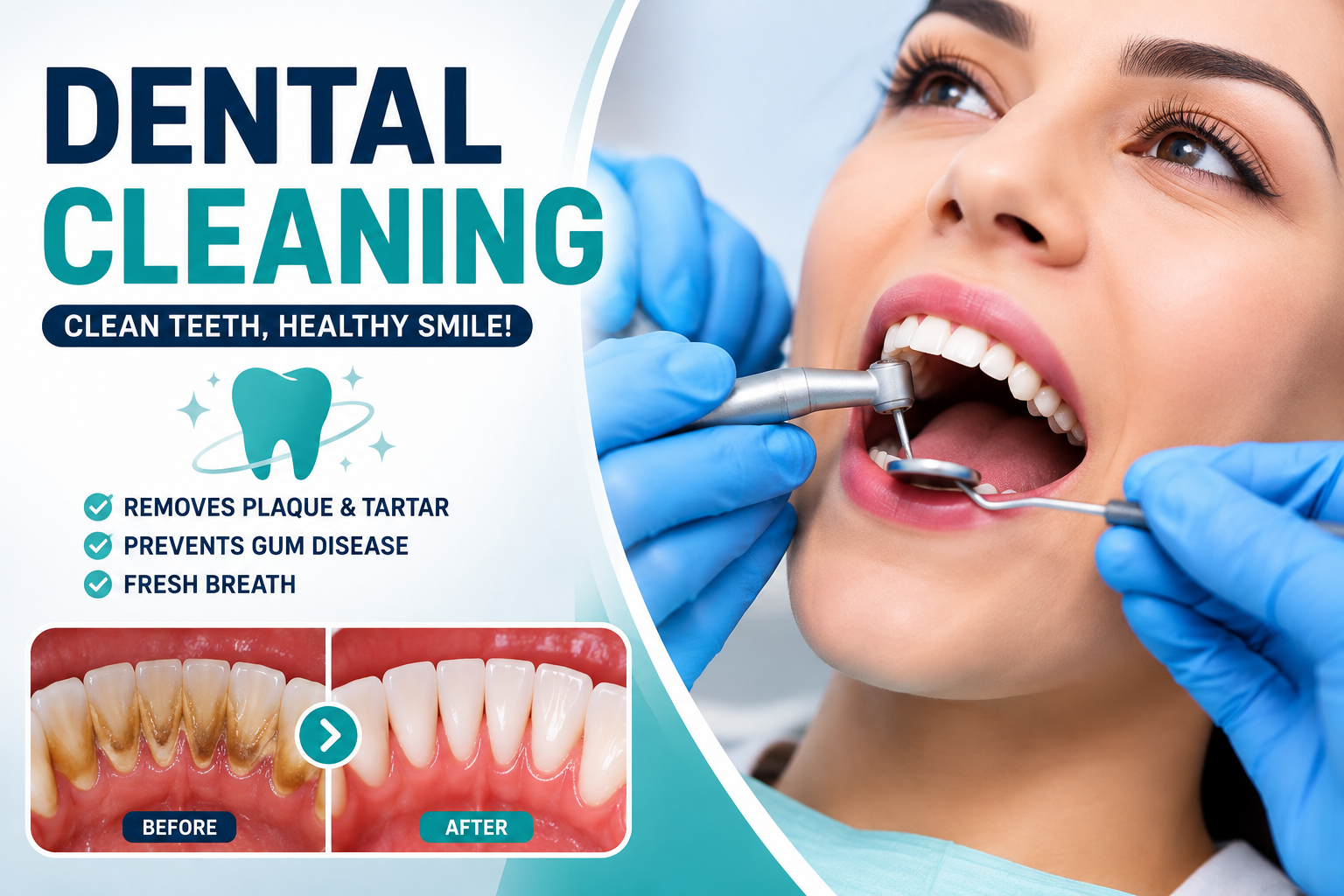
Frequently Asked Questions (FAQ) 1. What is dental scaling? Dental scaling is a professional dental cleaning procedure that removes plaque, tartar (calculus), and bacteria from the surface of your teeth and below the gum line. It helps maintain healthy teeth and gums. 2. Why is dental scaling important? Gum disease (gingivitis and periodontitis) Tooth decay Bad breath Bleeding gums Tooth loss caused by gum disease 3. Who needs dental scaling? Dental scaling is recommended for: People with plaque or tartar buildup Patients with bleeding or swollen gums Individuals with bad breath Smokers People with diabetes or a higher risk of gum disease Anyone who wants to maintain good oral hygiene 4. How often should I get dental scaling? Most people should have dental scaling every 6 months. However, your dentist may recommend more frequent cleanings if you have gum disease or heavy tartar buildup. 5. Is dental scaling painful? Dental scaling is usually painless. If you have sensitive teeth or inflamed gums, you may experience mild discomfort. Local anesthesia can be used if needed. 6. How long does a dental scaling procedure take? The procedure usually takes 30 to 60 minutes, depending on the amount of plaque and tartar that needs to be removed. 7. What happens during a dental scaling procedure? During the procedure, the dentist or dental hygienist: Examines your teeth and gums Removes plaque and tartar using specialized instruments or an ultrasonic scaler Cleans below the gum line if necessary Polishes the teeth for a smooth finish Provides oral hygiene advice 8. What are the benefits of dental scaling? Healthier gums Fresher breath Reduced plaque and tartar Lower risk of gum disease Brighter-looking teeth Improved overall oral health 9. Are there any side effects after dental scaling? Some patients may experience: Mild tooth sensitivity Slight gum tenderness Minor bleeding for a day or two These symptoms usually resolve quickly. 10. Can dental scaling whiten my teeth? Dental scaling removes surface stains caused by food, tea, coffee, and smoking, making teeth appear cleaner and brighter. However, it is not the same as professional teeth whitening. 11. Is dental scaling safe? Yes. Dental scaling is a safe and routine dental procedure performed by qualified dental professionals. 12. What should I do after dental scaling? After the procedure: Brush twice daily with a soft-bristled toothbrush. Floss every day. Avoid smoking. Limit sugary foods and drinks. Follow your dentist's instructions. Visit your dentist regularly for check-ups. 13. Can dental scaling damage my teeth? No. Professional dental scaling does not damage healthy teeth. It removes harmful plaque and tartar that cannot be removed by regular brushing. 14. What is the difference between scaling and polishing? Scaling removes plaque and tartar, while polishing smooths the tooth surface and removes minor surface stains, leaving the teeth feeling clean and shiny. 15. When should I visit a dentist for scaling? Visit your dentist if you notice: Bleeding gums Swollen or red gums Persistent bad breath Visible tartar deposits Gum recession Loose teeth Conclusion Dental scaling is one of the most effective ways to maintain healthy teeth and gums. Regular professional cleaning, combined with good oral hygiene at home, can help prevent gum disease and keep your smile healthy for years to come.

Open full blog
Cavities (Dental Caries): A Simple Overview Health

Cavities (Dental Caries): A Simple Overview

Cavities, also called dental caries, are small holes that form in the tooth due to decay. They occur when bacteria in the mouth break down sugars from food and produce acids. These acids gradually damage the outer layer of the tooth (enamel) and, if untreated, can reach deeper layers causing pain and infection. Common causes include: Poor oral hygiene Frequent sugary foods and drinks Not visiting the dentist regularly Early cavities may not cause symptoms, but as they progress, you may experience: Tooth sensitivity Pain while eating or drinking Visible holes or dark spots The good news is that cavities are preventable 😊 Brushing twice daily with fluoride toothpaste, flossing, reducing sugar intake, and regular dental check-ups can significantly lower the risk. Early detection allows simple treatment like fillings, while delayed treatment may require more complex procedures such as root canal therapy. Healthy habits today protect your smile for years to come. 🦷

Open full blog
Root Canal Treatment: Saving Your Natural Tooth Health

Root Canal Treatment: Saving Your Natural Tooth

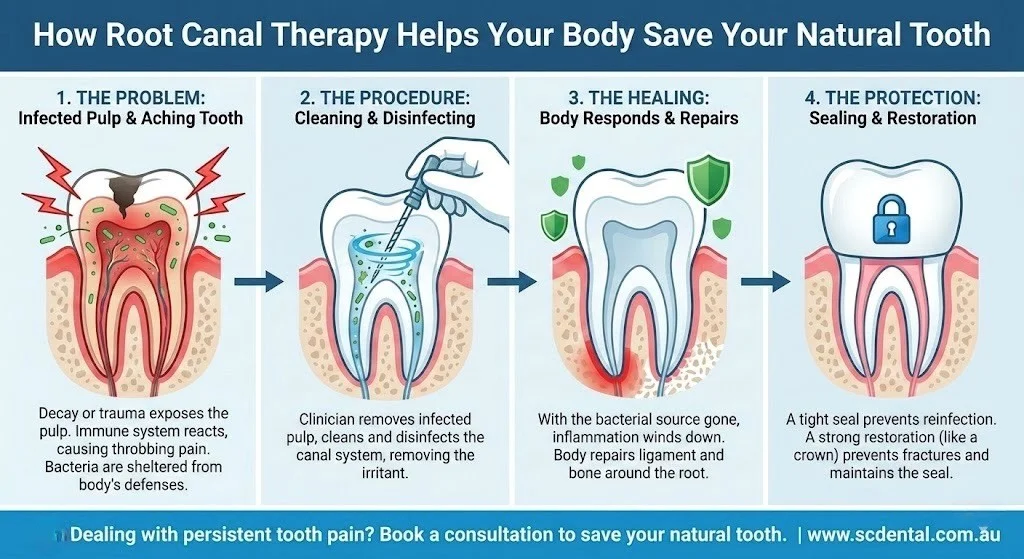
When people hear the words root canal, they often imagine pain and discomfort. In reality, modern root canal treatment is a safe, effective, and relatively comfortable procedure that helps save your natural tooth and relieve pain — not cause it 😊 Let’s understand it clearly and simply. What Is a Root Canal? A root canal treatment (RCT) is a dental procedure used to treat infection inside the tooth. Inside every tooth, there is a soft tissue called the pulp, which contains nerves and blood vessels. When this pulp becomes infected due to: Deep tooth decay Cracked or fractured tooth Repeated dental procedures Trauma to the tooth It can cause severe pain, swelling, and sometimes abscess formation. Root canal treatment removes the infected pulp, cleans and disinfects the inside of the tooth, and seals it to prevent further infection. Why Is Root Canal Treatment Needed? You may need RCT if you experience: Severe toothache, especially while chewing Sensitivity to hot or cold that lingers Swelling of gums Tooth discoloration Pimple-like swelling near the tooth (dental abscess) Ignoring these symptoms can lead to spread of infection, bone loss, or even tooth loss. How Is Root Canal Treatment Performed? Here’s a step-by-step overview: Diagnosis & X-ray – The dentist examines the tooth and takes an X-ray. Local anesthesia – The area is numbed to ensure comfort. Access opening – A small opening is made in the tooth. Cleaning & shaping – Infected pulp is removed and canals are cleaned. Disinfection – The canals are disinfected to eliminate bacteria. Filling & sealing – The canals are filled with a special material (gutta-percha). Crown placement – A crown is usually placed to strengthen and protect the tooth. Modern techniques and anesthesia make the procedure almost as comfortable as a routine filling. Is Root Canal Painful? This is the most common question 😌 With modern dentistry and anesthesia, root canal treatment is usually not painful. In fact, it relieves the pain caused by infection. You may experience mild soreness for a few days after the procedure, which is manageable with prescribed medications. Benefits of Root Canal Treatment Saves your natural tooth Relieves pain and infection Restores normal chewing function Prevents spread of infection Maintains natural smile and alignment Saving your natural tooth is always better than extraction whenever possible. What Happens If You Don’t Get Treatment? If left untreated, the infection can: Spread to surrounding tissues Form an abscess Cause bone loss Lead to tooth loss In rare cases, spread systemically Early treatment prevents complications and reduces overall cost. Aftercare Tips After root canal treatment: Avoid chewing on the treated tooth until crown placement Maintain good oral hygiene Brush twice daily and floss regularly Visit your dentist for follow-up A properly treated and restored tooth can last a lifetime with good care. Final Thoughts Root canal treatment is not something to fear. It is a conservative, tooth-saving procedure designed to eliminate pain and preserve your natural smile 😊

Open full blog
FAQ

Frequently Asked Questions

Common questions about KEERTHI DENTAL CLINIC in pollachi

Hospital Guide

About KEERTHI DENTAL CLINIC

Explore More
All Hospitals Hospitals in pollachi Hospitals near keerthi dental clinic Book Appointment
Other Hospitals on MediBook
Sania Hospital RIYA CLINIC Meera Dental Clinic Krishna Smile Care Velan Dental Care Bari Hospital Tarun Hospital CS Nila Hospital
Quick Booking

Ready to Book Your Appointment?

Get connected with our specialists in minutes — no waiting, no hassle.

Book an Appointment Now Chat on WhatsApp Call Now
Instant Confirmation Secure & Private Free Cancellation