0%
Reading Progress
Scroll to track your progress
Frequently Asked Questions (FAQ)
1. What is dental scaling?
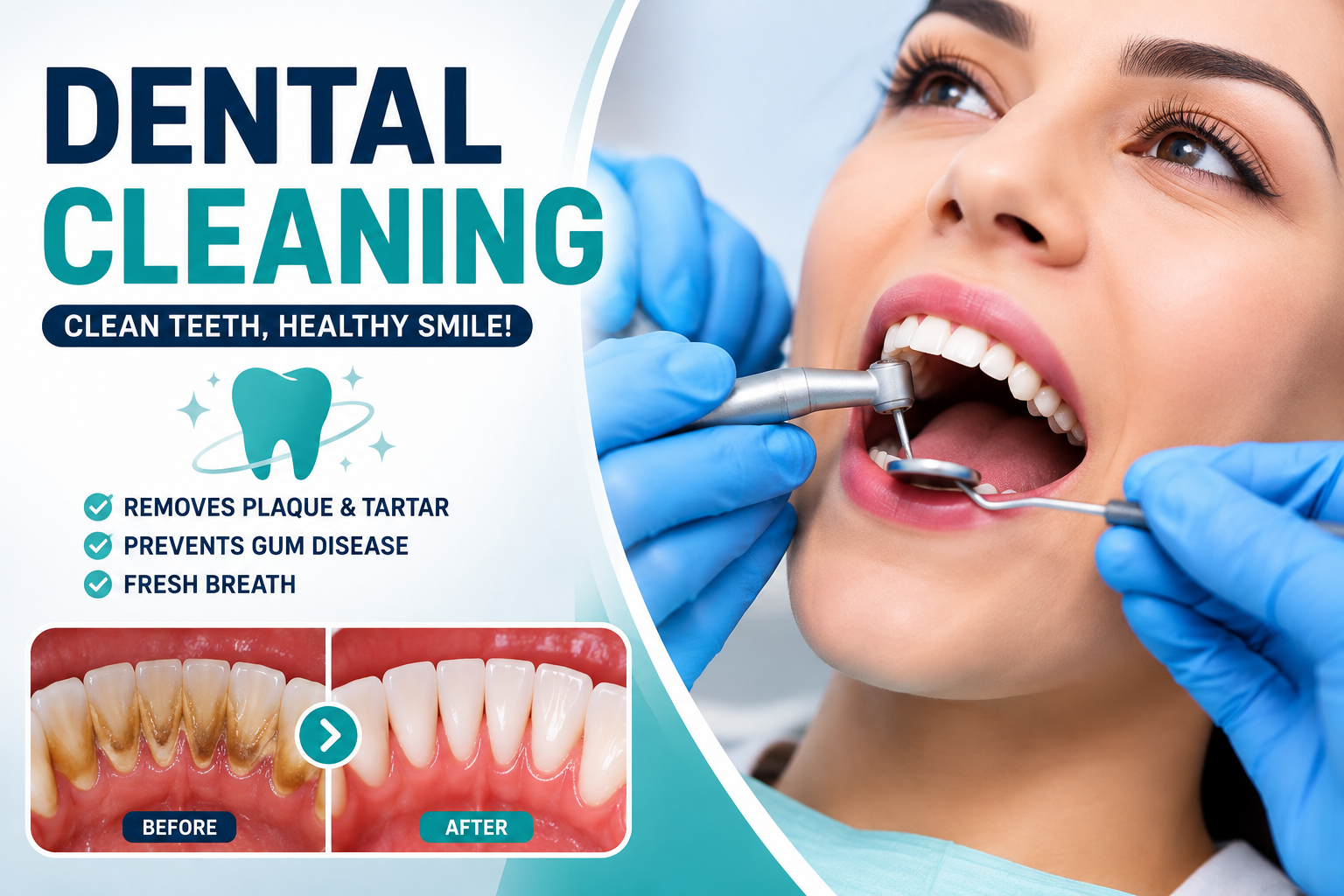
Dental scaling is a professional dental cleaning procedure that removes plaque, tartar (calculus), and bacteria from the surface of your teeth and below the gum line. It helps maintain healthy teeth and gums.
2. Why is dental scaling important?
Gum disease (gingivitis and periodontitis)
Tooth decay
Bad breath
Bleeding gums
Tooth loss caused by gum disease
3. Who needs dental scaling?
Dental scaling is recommended for:
People with plaque or tartar buildup
Patients with bleeding or swollen gums
Individuals with bad breath
Smokers
People with diabetes or a higher risk of gum disease
Anyone who wants to maintain good oral hygiene
4. How often should I get dental scaling?
Most people should have dental scaling every 6 months. However, your dentist may recommend more frequent cleanings if you have gum disease or heavy tartar buildup.
5. Is dental scaling painful?
Dental scaling is usually painless. If you have sensitive teeth or inflamed gums, you may experience mild discomfort. Local anesthesia can be used if needed.
6. How long does a dental scaling procedure take?
The procedure usually takes 30 to 60 minutes, depending on the amount of plaque and tartar that needs to be removed.
7. What happens during a dental scaling procedure?
During the procedure, the dentist or dental hygienist:
Examines your teeth and gums
Removes plaque and tartar using specialized instruments or an ultrasonic scaler
Cleans below the gum line if necessary
Polishes the teeth for a smooth finish
Provides oral hygiene advice
8. What are the benefits of dental scaling?
Healthier gums
Fresher breath
Reduced plaque and tartar
Lower risk of gum disease
Brighter-looking teeth
Improved overall oral health
9. Are there any side effects after dental scaling?
Some patients may experience:
Mild tooth sensitivity
Slight gum tenderness
Minor bleeding for a day or two
These symptoms usually resolve quickly.
10. Can dental scaling whiten my teeth?
Dental scaling removes surface stains caused by food, tea, coffee, and smoking, making teeth appear cleaner and brighter. However, it is not the same as professional teeth whitening.
11. Is dental scaling safe?
Yes. Dental scaling is a safe and routine dental procedure performed by qualified dental professionals.
12. What should I do after dental scaling?
After the procedure:
Brush twice daily with a soft-bristled toothbrush.
Floss every day.
Avoid smoking.
Limit sugary foods and drinks.
Follow your dentist's instructions.
Visit your dentist regularly for check-ups.
13. Can dental scaling damage my teeth?
No. Professional dental scaling does not damage healthy teeth. It removes harmful plaque and tartar that cannot be removed by regular brushing.
14. What is the difference between scaling and polishing?
Scaling removes plaque and tartar, while polishing smooths the tooth surface and removes minor surface stains, leaving the teeth feeling clean and shiny.
15. When should I visit a dentist for scaling?
Visit your dentist if you notice:
Bleeding gums
Swollen or red gums
Persistent bad breath
Visible tartar deposits
Gum recession
Loose teeth
Conclusion
Dental scaling is one of the most effective ways to maintain healthy teeth and gums. Regular professional cleaning, combined with good oral hygiene at home, can help prevent gum disease and keep your smile healthy for years to come.